
How Often Should You Get Your Couch Cleaned?

5 Common Carpet Cleaning Mistakes Homeowners Make, and How to Avoid Them
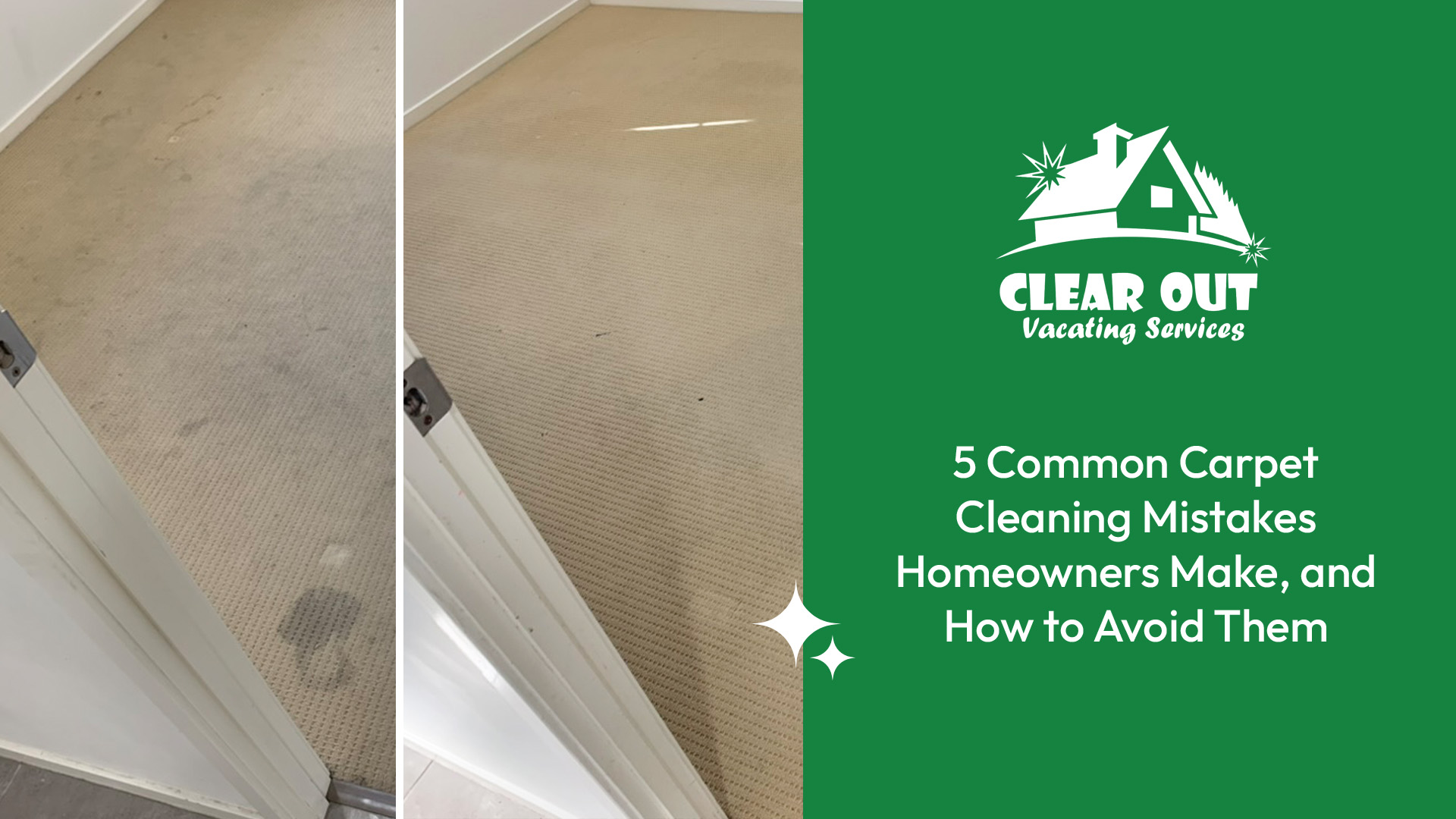
What’s the fastest way to end up with carpets that still look tired and smell musty months after they were “cleaned”? In almost every case, it comes down to a handful of avoidable mistakes made during the clean.
Knowing how to approach your carpet cleaning on the Gold Coast is the easiest way to make sure the job actually lasts.
Here are the five mistakes we see most often, and what to do instead.
A weekly vacuum and a proper deep clean are not the same job. Vacuuming only lifts surface debris, it does nothing for the dirt, oils and allergens that have worked their way down into the pile and backing over weeks or months. A carpet that looks fine on top can still be holding onto everything underneath.
How to avoid it: vacuum regularly between cleans, but treat a genuine deep clean as a separate job that happens on its own schedule, not something a quick pass with the vacuum can replace.
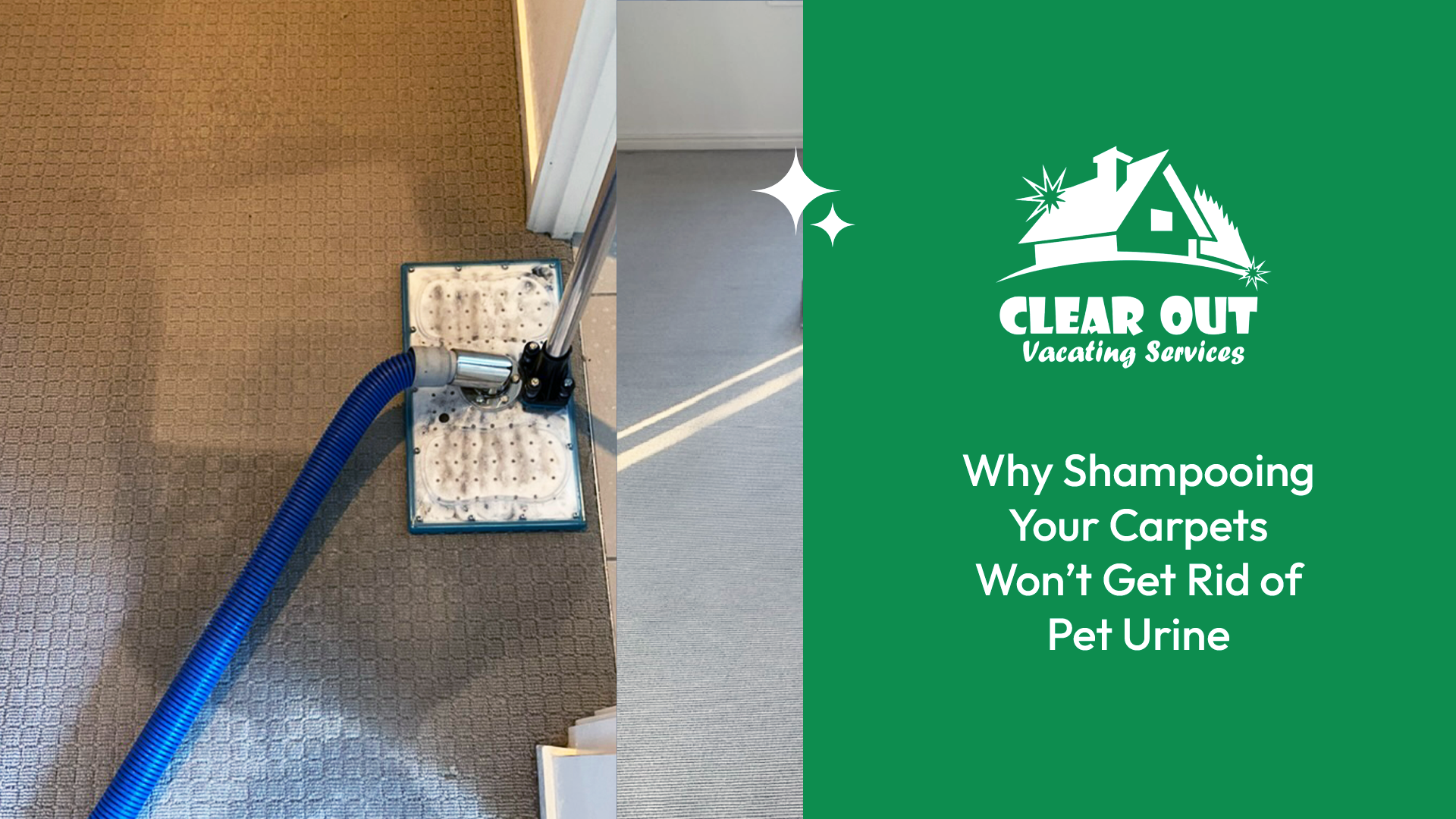
Coarse dirt sits deep in carpet fibres and acts like sandpaper on the pile over time, and a hired supermarket steam cleaner rarely gets hot enough or strong enough to lift it properly. Many DIY machines also leave a detergent residue behind that attracts new dirt within days, so the carpet can look worse a week later than it did before you started.
How to avoid it: book a professional carpet cleaning Gold Coast service that uses a hot pre-spray, deep steam extraction and a pH neutralising rinse, rather than relying on a hired machine.
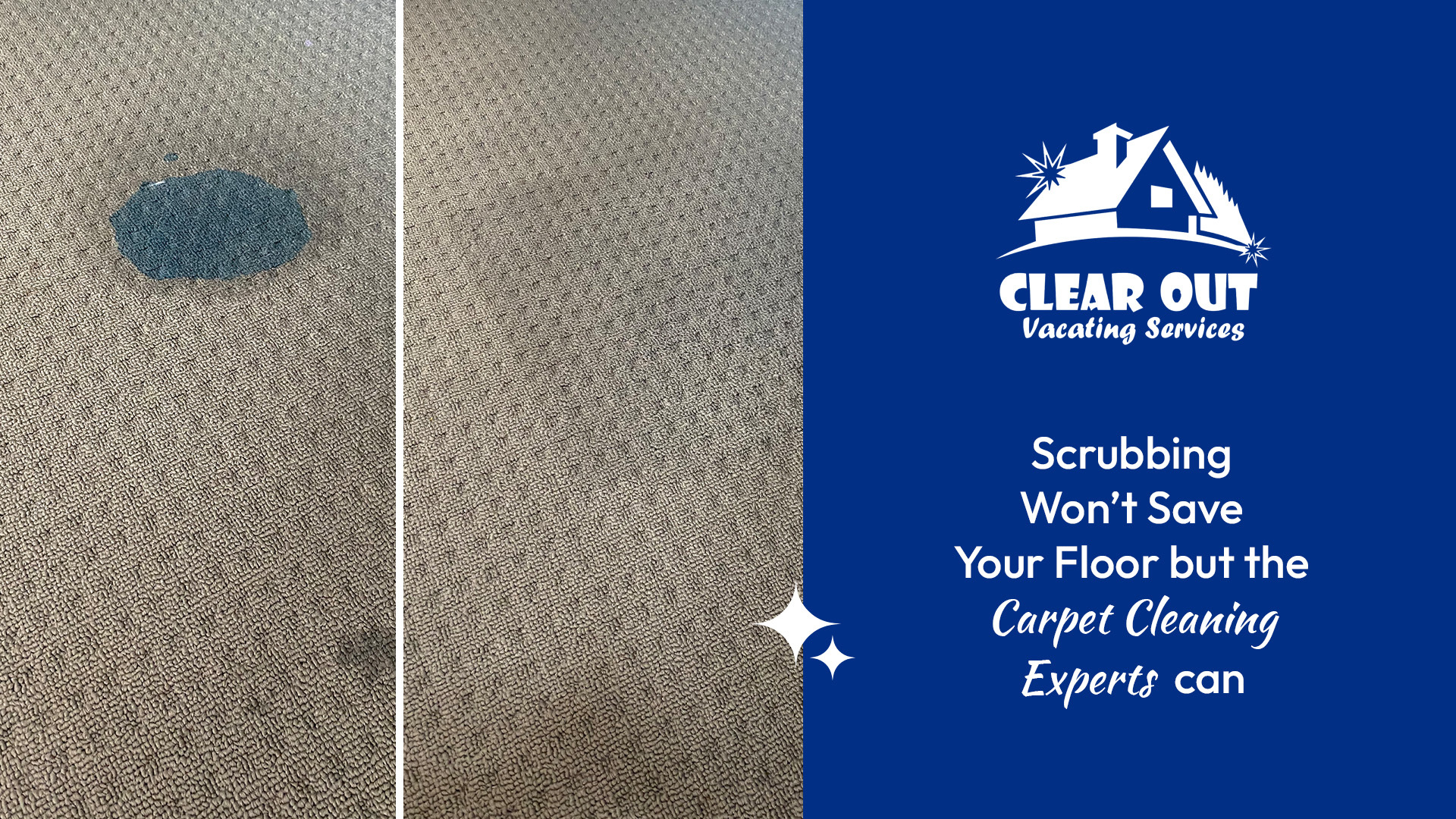
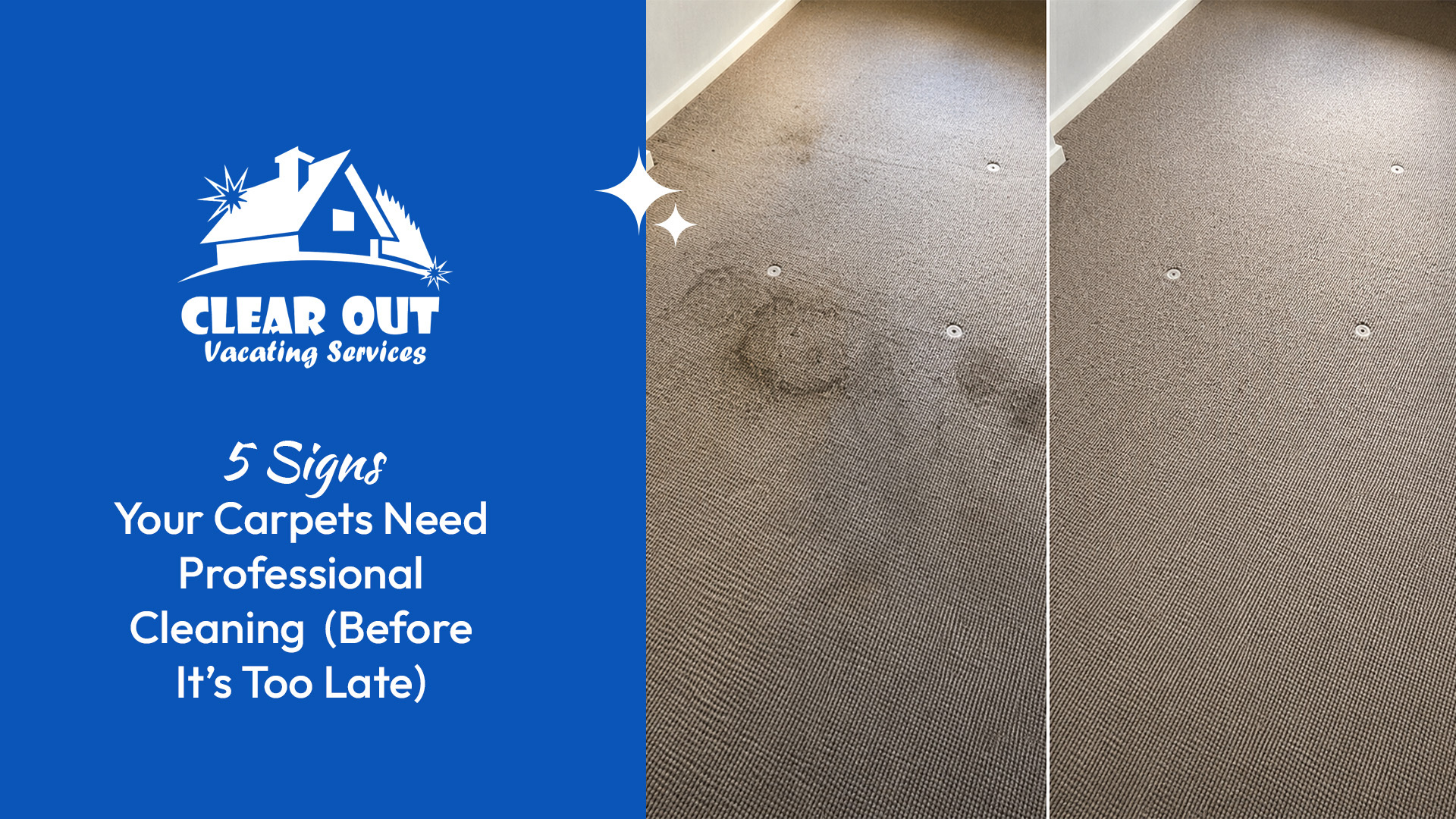
Fresh spills are easy. Once a stain has had days (or weeks) to set, the same spot becomes far harder to shift, and some spills can permanently change the colour of the fibres if they’re left untreated. Blotting late and scrubbing hard is a common reflex, but it usually pushes the stain deeper rather than lifting it out.
How to avoid it: blot spills immediately rather than scrubbing, and if a stain has already set, get professional treatment rather than attempting repeated DIY fixes that can damage the pile.
Hallways, entryways and areas in front of couches take far more foot traffic than the rest of the room, and a generic clean that treats every square metre the same way often leaves these spots looking noticeably different to the rest of the carpet once everything dries.
How to avoid it: make sure high traffic areas get a targeted pre-treatment before the main clean, not just the same pass as the rest of the room.
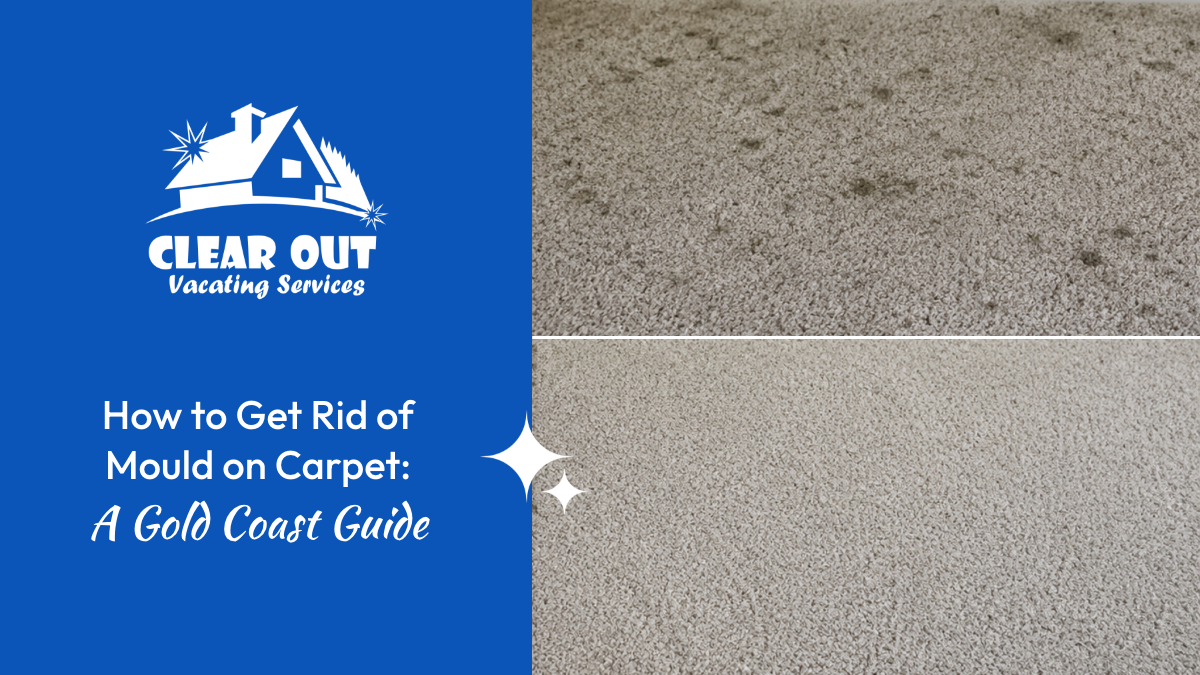
A carpet that stays damp for too long after cleaning is exactly the environment mould and mildew need to take hold, and that musty smell that shows up a few days after a DIY clean is usually a sign the carpet never dried properly. Poor airflow, closed rooms and over-wetting during the clean are the most common causes.
How to avoid it: ensure good ventilation after any clean, and use a service with proper extraction equipment that removes the bulk of the moisture rather than leaving the carpet saturated.
The mistakes above share one thing in common: they’re hard to spot until the carpet has already dried and the damage is done. A professional carpet cleaning Gold Coast team uses commercial-grade equipment, treats problem areas before they become bigger problems, and gets the moisture out properly so mould and residue never get a chance to set in. Most homeowners find it more cost effective to book a proper clean once, rather than pay for a DIY hire and then book a professional anyway when it doesn’t work.
Whether you’re near Coomera, where the theme park rollercoasters sit against the skyline, or further south in Beenleigh, home to the historic rum distillery and town square, the same carpet cleaning Gold Coast standards apply either way.
If your carpets are looking tired, don’t risk it on a hired machine and hope. Clear Out has been carrying out carpet cleaning Gold Coast homeowners have relied on since 2009, Request a fast quote today and let Clear Out take care of the rest.

"*" indicates required fields
"*" indicates required fields
"*" indicates required fields
"*" indicates required fields
"*" indicates required fields